Okay, so check this out—I’ve been using browser extension wallets for years. Whoa! They used to feel clunky and risky. My instinct said “don’t put your life savings in some shiny popup,” and that stuck with me. Initially I thought a single wallet could cover all needs, but then realized multi-chain complexity and UX actually break that assumption, and you end up juggling accounts and permissions in a mess that burns time and nerves.
Seriously? Most wallets still prompt you to sign every little thing. Hmm… that annoyed me right away. I tried a dozen options. Some were fast, others were over-featured. On one hand the ecosystem moves fast and innovation is great, though actually the result is often fragmented tooling that makes simple tasks harder than they should be—especially if you use Ethereum, BSC, Polygon, and Solana-like chains across different dApps.
Here’s the thing. I started using Rabby because it stitched those problems together in a sensible way. Wow! Features like a built-in transaction simulator, per-site permissions, and clear network switching felt like small miracles. My first impression was: finally, a wallet that treats UX like a first-class citizen, not an afterthought. I’m biased, but the ease of seeing what a transaction will cost before you approve it actually changed how I approach trades and approvals.
At first I was skeptical about extension wallets claiming extra protections. Then I dug into the details and my view evolved. Initially I thought “security sounds like marketing copy,” but then realized Rabby’s approach to isolating sites and giving clearer prompts reduces accidental approvals. The logic is simple: fewer surprises equals fewer mistakes, and in DeFi mistakes often mean money lost. Something felt off about the default wallet prompts I’d been using—somethin’ about them was too vague.
By the way, the wallet also makes account management less painful. Really? Yes. You can create multiple identities and label them, switch chains quickly, and set per-site allowance caps. Those small conveniences compound over time. On longer trades or multi-step interactions, you notice how much friction is removed when you can preview, simulate, and then approve with confidence—no guesswork and no frantic gas fee spikes while you wait.
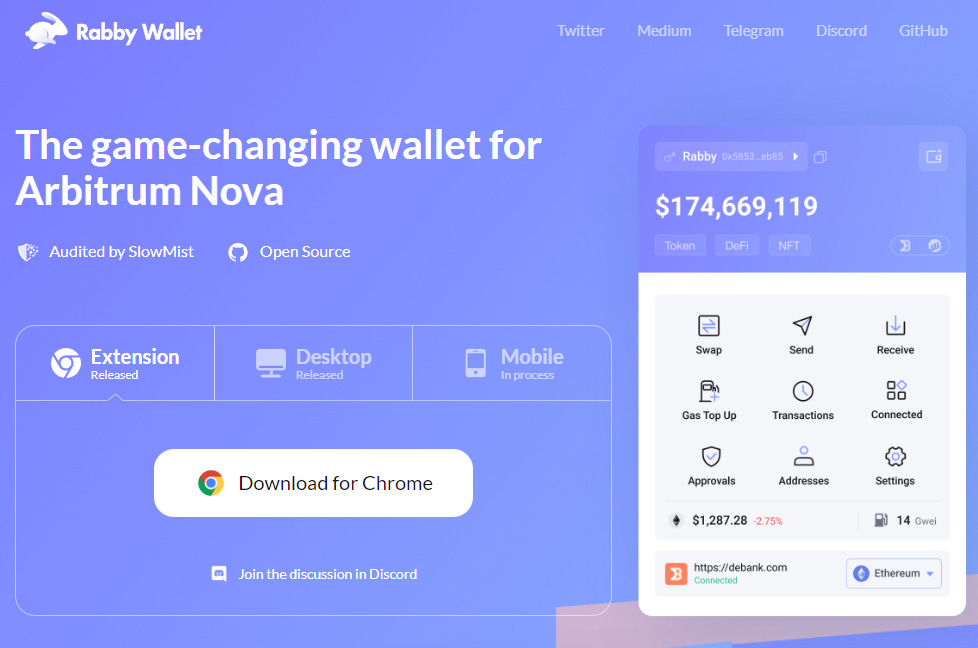
How Rabby Fits Into Daily DeFi Workflows
My day-to-day use is pragmatic. Hmm… I check balances, do swaps, and manage approvals. Sometimes I batch approvals, sometimes I keep funds split across accounts. Initially I thought a single hot wallet could handle everything, but then realized that segregating funds reduces blast radius if something goes wrong. On one hand I like consolidation for simplicity, though actually splitting accounts for different activities (trading vs. farming vs. holding) is a safer, and frankly less stressful, habit.
Rabby makes that strategy practical. Whoa! The interface puts allowances front and center, and a quick revoke action is available. The permission manager is not perfect, but it’s way better than hunting through transaction histories. I’m not 100% sure how every edge-case is handled, but in normal workflows it catches the biggest pain points—especially those noisy dApp approval prompts that get you to sign forever allowances.
Also—and this bugs me—the industry likes to hide gas estimation behind confusing sliders. I used to guess and pray. Rabby’s transaction simulator helps demystify that. Wow! Seeing an estimated gas cost and a success probability before signing feels empowering. My instinct said “this should be standard,” yet many wallets still omit it. Honestly, that omission is why some traders overpay gas or submit doomed transactions during congested times.
Security isn’t a single feature. It’s a set of small protections that reduce human error. Hmm… Rabby doesn’t pretend to be a hardware wallet, and that’s okay. On one hand hardware wallets are the gold standard for cold storage, though actually most people need a fast on-browser flow to interact with DeFi. Rabby supports hardware wallet integration, and that combo—hardware signing for sensitive accounts and Rabby for daily interactions—works very well for me.
I’ll be frank: no wallet is perfect. There are tradeoffs. Initially I thought “if an extension has more features, it’s automatically better,” but then realized feature bloat can introduce attack surface. So I look for features that reduce cognitive load without adding vulnerability. Rabby aims for that balance—practical tools, not flashy extras that confuse users.
Practical Tips for Using a Browser Extension Wallet Safely
Don’t treat an extension like a bank. Seriously? Yes. Treat it like a keychain that opens doors to risky places. My quick rules: separate accounts, limit allowances, use hardware wallets for big sums, and audit approvals often. These are simple habits that catch 80% of mistakes. On one hand rules seem overbearing; on the other, they save you from very awkward self-repair sessions after a bad signature.
When you install an extension, read prompts. Whoa! Always verify the origin and version. If something looks off, close the site. I’m biased, but I check the extension’s permissions and recent update notes before trusting it with a new dApp. Something as small as a rename or unexpected permission can be a red flag. Also, make backups of your seed phrase and store them offline—no notes in cloud storage, no photos on your phone. That’s very very important.
Use the permission manager aggressively. Hmm… Revoke unused approvals. Set allowance caps when possible. Rabby makes this easier than many wallets, and that practical advantage is why I recommend trying it. I liked the moment when I cleaned up a dozen forgotten allowances and felt like I’d decluttered a messy closet of permissions—satisfying and safer.
Connect cautiously. Initially I thought “connect widely for convenience,” but then realized the privacy and security implications. On one hand you want seamless DeFi access, yet actually connecting indiscriminately gives many sites access to wallet metadata. Limit connections to trusted dApps and use throwaway accounts for experimental sites. This reduces your exposure without killing your ability to use new services.
FAQ
Is Rabby wallet safe to use as a browser extension?
Short answer: Yes, with caveats. Wow! It has strong UX-driven safety features like transaction simulation and a permission manager that reduce accidental approvals. But extension wallets are still software that runs in your browser environment, so combine Rabby with best practices: hardware signing for large holdings, seed backups offline, minimal allowances, and cautious connections to unknown dApps.
Can I use Rabby across multiple chains?
Absolutely. Rabby is built to be multi-chain friendly, which makes switching networks and managing tokens across chains much smoother than many older wallets. My instinct said “this will be messy,” but actually the design handles the cross-chain common cases pretty well. There are occasional quirks with new networks, but those are normal during rapid chain launches.
Where can I download Rabby?
You can get the extension from the official source—search carefully and use the verified link. If you want a reliable starting point, try this: rabby wallet. Be sure to verify the download page and extension ID before installing.
Okay, final thoughts—well, not final, because this stuff keeps evolving. Hmm… I’m excited about how wallets like Rabby are raising the bar on everyday security and usability. Initially I thought the next big leap would be purely technical, but it seems the UX revolution is just as critical. On the other hand some tradeoffs remain, though actually they’re manageable with good habits.
I’ll be honest: this part still bugs me—extensions live in a risky environment, and users need to stay vigilant. But if you want a practical, thoughtful multi-chain browser wallet that nudges you toward safer behaviors, Rabby is worth trying. Something about the clarity it brings to transactions makes me sleep slightly better at night, and that matters.
